Imagine running your business with fewer errors, faster approvals, and zero manual data entry. That’s the magic of ERP workflow automation—streamlining operations so you can focus on growth, not paperwork.
What Is ERP Workflow Automation?

ERP workflow automation refers to the integration of business processes within an Enterprise Resource Planning (ERP) system to automate repetitive tasks, reduce human intervention, and improve operational efficiency. Instead of relying on manual inputs across departments like finance, HR, inventory, and sales, companies use ERP systems to trigger actions automatically based on predefined rules and conditions.

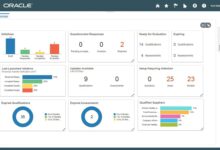

How ERP Workflow Automation Works
At its core, ERP workflow automation functions by mapping out business processes into digital workflows. These workflows consist of a series of steps that are executed in sequence or parallel, depending on the process logic. For example, when a sales order is entered into the system, the ERP automatically checks inventory levels, reserves stock, notifies the warehouse, and triggers invoicing once the order is shipped.
- Data is captured once and flows across modules without re-entry.
- Tasks are assigned to users or systems based on triggers (e.g., approval requests).
- Notifications and escalations ensure timely action.
This seamless flow eliminates bottlenecks and ensures consistency across departments. According to Gartner, modern ERP systems are evolving into intelligent platforms that not only record transactions but also predict, prescribe, and automate actions.
Key Components of ERP Workflows
A well-structured ERP workflow includes several essential components that ensure reliability and scalability:
- Triggers: Events that initiate a workflow (e.g., form submission, date change).
- Actions: Tasks performed automatically (e.g., sending emails, updating records).
- Conditions: Rules that determine the path of a workflow (e.g., if budget > $10,000, require CFO approval).
- Roles & Permissions: Define who can view, edit, or approve steps in the workflow.
“Automation in ERP isn’t just about saving time—it’s about creating a single source of truth across the organization.” — TechTarget, 2023
Why ERP Workflow Automation Matters Today
In today’s fast-paced digital economy, businesses can no longer afford inefficiencies caused by siloed systems and manual processes. ERP workflow automation has become a strategic imperative for organizations aiming to stay competitive, compliant, and agile.
Addressing Operational Inefficiencies
Manual processes are prone to delays, errors, and miscommunication. A study by McKinsey found that up to 45% of work activities can be automated using current technologies. In finance alone, invoice processing, payroll, and expense reporting consume hundreds of hours annually—time that could be better spent on analysis and strategy.
ERP workflow automation tackles these inefficiencies head-on by standardizing procedures and reducing dependency on individual employees. For instance, instead of chasing managers for approvals via email, the system sends automated reminders and escalates overdue tasks.
Supporting Digital Transformation
Companies undergoing digital transformation often find that legacy systems hinder progress. ERP workflow automation acts as a bridge between old and new, enabling digital-first operations. It supports cloud migration, real-time analytics, and integration with AI and machine learning tools.
For example, SAP S/4HANA and Oracle Cloud ERP offer built-in workflow engines that support intelligent automation, allowing businesses to embed predictive insights into daily operations. This shift not only improves speed but also enhances decision-making.
Top 7 Benefits of ERP Workflow Automation
Implementing ERP workflow automation delivers measurable advantages across departments. From reducing costs to improving customer satisfaction, the impact is both broad and deep.
1. Increased Operational Efficiency
By automating routine tasks such as purchase order creation, time-off requests, or inventory reordering, companies free up employees to focus on higher-value work. Automated workflows execute tasks faster than humans, often in seconds, and operate 24/7 without fatigue.
For example, a manufacturing firm using ERP workflow automation reduced its order-to-delivery cycle time by 38% simply by automating approval chains and inventory checks. The system now auto-generates work orders when stock falls below a threshold, eliminating manual monitoring.
2. Reduced Human Error
Manual data entry is one of the leading causes of operational errors. A report by IBM estimates that data entry mistakes cost businesses an average of $12,000 per employee annually. ERP workflow automation minimizes this risk by ensuring data is entered once and reused across modules.
When a sales rep logs a new client, the ERP automatically updates CRM, accounting, and shipping databases—eliminating discrepancies. Validation rules further prevent incorrect entries (e.g., invalid email formats or missing tax IDs).
3. Faster Decision-Making
Real-time visibility into business processes enables quicker, data-driven decisions. ERP workflow automation provides dashboards and alerts that highlight bottlenecks, pending approvals, or unusual patterns.
A retail chain, for instance, uses automated workflows to monitor supplier lead times. If a shipment is delayed, the system instantly alerts procurement and suggests alternative vendors based on historical performance data—reducing stockouts and lost sales.
4. Enhanced Compliance and Auditability
Regulatory compliance is a major concern for industries like healthcare, finance, and manufacturing. ERP workflow automation enforces standardized procedures, maintains detailed audit trails, and ensures that all actions are logged with timestamps and user IDs.
In highly regulated environments, such as those governed by SOX or GDPR, automated workflows ensure that financial reports are reviewed by authorized personnel and that data access is strictly controlled. This level of traceability simplifies audits and reduces legal risk.
5. Improved Employee Productivity
Employees spend less time on repetitive tasks and more on strategic initiatives. A survey by Deloitte revealed that organizations using automation report a 30–50% increase in employee productivity.
HR departments, for example, can automate onboarding workflows. When a new hire is added, the system automatically creates email accounts, assigns training modules, schedules orientation, and notifies IT and payroll—all without human intervention.
6. Scalability and Consistency
As businesses grow, manual processes become unsustainable. ERP workflow automation scales effortlessly, whether you’re adding new branches, products, or users. Processes remain consistent across locations, ensuring brand and operational integrity.
A franchise business with 50 locations uses a centralized ERP to standardize everything from menu pricing to vendor payments. Each location follows the same automated workflows, reducing variability and improving quality control.
7. Better Customer Experience
Automation leads to faster response times and more accurate service delivery. Customers benefit from quicker order fulfillment, timely support, and personalized interactions.
An e-commerce company integrated ERP workflow automation to sync customer orders with inventory and shipping systems. Now, customers receive instant order confirmations, real-time tracking updates, and automated refunds for canceled items—boosting satisfaction and loyalty.
Common Use Cases of ERP Workflow Automation
ERP workflow automation isn’t limited to large enterprises. Businesses of all sizes can leverage it to streamline critical operations. Below are some of the most impactful use cases across departments.
Procurement and Purchase Orders
Procurement is a prime candidate for automation due to its multi-step nature. ERP systems can automate the entire procurement cycle—from requisition to payment.
- An employee submits a purchase request online.
- The system checks budget availability and routes it to the appropriate manager.
- Upon approval, a purchase order is generated and sent to the vendor.
- When goods arrive, the system matches the delivery note with the PO and schedules payment.
This end-to-end automation reduces maverick spending, prevents duplicate orders, and ensures timely payments to suppliers.
Accounts Payable and Receivable
Finance teams often struggle with invoice processing delays and cash flow issues. ERP workflow automation streamlines both accounts payable (AP) and accounts receivable (AR).
In AP, invoices are scanned and data is extracted using OCR (Optical Character Recognition). The system validates the invoice against POs and delivery receipts, then routes it for approval. Payments are scheduled automatically based on terms.
For AR, the ERP generates invoices upon shipment, sends payment reminders, and applies payments received. Some systems even offer self-service portals where customers can view and pay invoices online.
Human Resources and Payroll
HR departments manage a wide range of time-consuming tasks, from leave management to performance reviews. ERP workflow automation brings structure and speed to these processes.
- Employees submit leave requests through a portal.
- The system checks leave balances and forwards the request to the manager.
- Upon approval, payroll is adjusted automatically.
- Notifications are sent to the employee and team members.
Similarly, performance appraisal workflows can be scheduled annually, with automated reminders and form distribution, ensuring no reviews are missed.
How to Implement ERP Workflow Automation Successfully
Implementing ERP workflow automation requires careful planning and execution. A poorly designed workflow can lead to confusion, resistance, and wasted resources. Follow these best practices to ensure success.
Map Your Current Processes
Before automating, understand how things work today. Document each step, including who is involved, what tools are used, and where delays occur. This process mapping helps identify inefficiencies and opportunities for improvement.
Use flowcharts or BPMN (Business Process Model and Notation) diagrams to visualize workflows. Engage stakeholders from different departments to ensure accuracy and buy-in.
Define Clear Objectives
What do you want to achieve with automation? Is it faster approvals, reduced errors, or better compliance? Setting clear, measurable goals helps guide the implementation and evaluate success later.
For example, a goal might be: “Reduce invoice processing time from 7 days to 48 hours using ERP workflow automation.” This provides a benchmark for measuring ROI.
Start Small and Scale Gradually
Begin with a pilot project—automate one high-impact process first, such as purchase approvals or employee onboarding. Test the workflow, gather feedback, and refine it before rolling out to other areas.
This phased approach reduces risk and allows teams to adapt to the new system without overwhelming them. Once the initial workflow proves successful, expand to other departments.
Choosing the Right ERP System for Workflow Automation
Not all ERP systems offer the same level of automation capabilities. When selecting a platform, evaluate its workflow engine, integration options, and ease of customization.
Look for Built-In Workflow Tools
Top-tier ERP solutions like SAP S/4HANA, Oracle ERP Cloud, and Microsoft Dynamics 365 come with robust workflow engines that allow drag-and-drop workflow design, conditional logic, and approval hierarchies.
These tools enable non-technical users to create and modify workflows without coding, making automation more accessible across the organization.
Ensure Integration Capabilities
Your ERP must integrate seamlessly with other systems like CRM, HRIS, and e-commerce platforms. APIs (Application Programming Interfaces) and middleware like MuleSoft or Dell Boomi facilitate smooth data exchange.
For example, integrating your ERP with Shopify ensures that online orders automatically create sales records, update inventory, and trigger shipping—without manual intervention.
Consider Cloud-Based vs. On-Premise Solutions
Cloud-based ERPs offer faster deployment, automatic updates, and lower upfront costs. They are ideal for businesses seeking scalability and remote access.
On-premise systems provide greater control over data and customization but require more IT resources. Evaluate your security needs, budget, and long-term strategy when making this decision.
Overcoming Challenges in ERP Workflow Automation
Despite its benefits, ERP workflow automation can face resistance and technical hurdles. Anticipating these challenges helps ensure a smoother transition.
User Resistance and Change Management
Employees may fear job loss or struggle with new processes. Transparent communication and training are key to overcoming resistance.
Involve users early in the design phase, explain how automation will make their jobs easier, and provide hands-on training. Highlight success stories from pilot projects to build confidence.
Data Quality and System Integration
Poor data quality can derail automation. Inconsistent naming conventions, duplicate records, or missing fields can cause workflows to fail.
Before implementation, clean your data and establish governance policies. Use data validation rules within the ERP to maintain quality over time.
Complexity in Custom Workflows
Overly complex workflows with too many conditions and exceptions can become difficult to manage. Keep workflows simple and focused on core objectives.
Use version control to track changes and conduct regular reviews to eliminate redundant steps. Involve process owners in ongoing optimization.
Future Trends in ERP Workflow Automation
The future of ERP workflow automation is intelligent, adaptive, and user-centric. Emerging technologies are transforming static workflows into dynamic, self-optimizing systems.
AI and Machine Learning Integration
AI-powered ERP systems can analyze historical data to predict outcomes and suggest optimal workflow paths. For example, an AI engine might recommend skipping a manager approval for low-risk purchases based on past behavior.
Machine learning also enables anomaly detection—flagging unusual transactions for review, such as a sudden spike in vendor payments.
Robotic Process Automation (RPA) Synergy
RPA bots can work alongside ERP systems to automate tasks that occur outside the ERP, such as scraping data from websites or interacting with legacy desktop applications.
When combined with ERP workflow automation, RPA creates end-to-end automation across disparate systems, further reducing manual effort.
Low-Code/No-Code Workflow Design
Modern ERP platforms are embracing low-code development, allowing business users to build workflows using visual interfaces. This democratizes automation and reduces dependency on IT teams.
For example, a marketing manager could create a campaign approval workflow without writing a single line of code—simply by dragging and dropping steps.
What is ERP workflow automation?
ERP workflow automation is the use of Enterprise Resource Planning systems to automate repetitive business processes, such as approvals, data entry, and task routing, to improve efficiency, accuracy, and compliance across departments.
How does ERP workflow automation improve productivity?
It reduces manual labor, minimizes errors, accelerates task completion, and allows employees to focus on strategic work rather than routine administrative tasks, leading to significant gains in overall productivity.
Can small businesses benefit from ERP workflow automation?
Yes, small businesses can benefit greatly. Cloud-based ERP systems offer affordable, scalable automation solutions that help SMBs compete with larger organizations by improving efficiency and reducing operational costs.
What are common challenges in implementing ERP workflow automation?
Common challenges include employee resistance, poor data quality, complex workflow design, and integration issues with existing systems. These can be mitigated through proper planning, training, and phased implementation.
Which industries benefit most from ERP workflow automation?
Manufacturing, retail, healthcare, logistics, and professional services benefit significantly due to their complex, process-heavy operations that involve procurement, inventory, compliance, and customer service.
ERP workflow automation is no longer a luxury—it’s a necessity for businesses aiming to thrive in a digital-first world. From streamlining procurement to enhancing compliance and empowering employees, the benefits are clear and measurable. By understanding how it works, identifying key use cases, and choosing the right tools, organizations can unlock unprecedented levels of efficiency and agility. As AI, RPA, and low-code platforms continue to evolve, the future of ERP automation promises even greater intelligence and accessibility. The time to act is now: start small, think big, and automate your way to success.
Further Reading:
