Ever wondered how top companies streamline purchasing, cut costs, and boost efficiency? The secret often lies in a powerful ERP procurement module. It’s not just software—it’s a game-changer for modern businesses.
What Is an ERP Procurement Module?

An ERP procurement module is a core component of an Enterprise Resource Planning (ERP) system designed to manage and automate the entire procurement process—from identifying needs to paying suppliers. It integrates purchasing activities with finance, inventory, and supply chain operations, ensuring seamless data flow across departments.
Core Definition and Functionality
The ERP procurement module centralizes purchasing tasks such as requisition creation, purchase order generation, supplier management, and invoice reconciliation. By embedding procurement within the broader ERP ecosystem, businesses eliminate data silos and reduce manual errors.
- Automates purchase requisitions and approvals
- Tracks orders from initiation to delivery
- Integrates with inventory and accounting modules
This integration allows real-time visibility into spending patterns, supplier performance, and inventory levels. For example, when stock runs low, the system can automatically trigger a purchase request based on predefined reorder points.
“Procurement is no longer just about buying—it’s about strategic sourcing, risk management, and value creation.” — Gartner Research
How It Fits Into the Broader ERP System
The ERP procurement module doesn’t operate in isolation. It connects directly with other ERP components like finance, inventory management, and production planning. When a purchase order is approved, the finance module updates budget forecasts, while the inventory module adjusts expected stock levels.
For instance, in manufacturing, the procurement module works hand-in-hand with the Material Requirements Planning (MRP) system. If a production schedule demands 500 units of a product, the ERP automatically calculates raw material needs and generates purchase orders accordingly.
Learn more about ERP integration at Gartner’s ERP Overview.
Key Features of a Modern ERP Procurement Module
Today’s ERP procurement modules come packed with advanced features that go beyond basic purchasing. These tools empower organizations to make smarter, faster, and more compliant procurement decisions.
Purchase Requisition and Approval Workflows
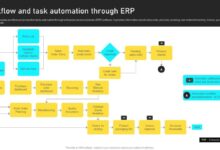
One of the most critical features is the automated requisition and approval workflow. Employees can submit requests online, which are then routed to the appropriate managers based on rules like spending thresholds or department policies.
- Customizable approval chains (e.g., manager → finance → director)
- Digital signatures and audit trails
- Mobile approvals for remote teams
This eliminates paper-based bottlenecks and ensures compliance with internal controls. According to a study by Deloitte, companies using automated workflows reduce approval times by up to 70%.
Supplier Management and Performance Tracking
A robust ERP procurement module includes a centralized supplier database where businesses can store contact details, contracts, pricing agreements, and performance metrics.
Key capabilities include:
- Supplier onboarding and qualification
- Performance scorecards (on-time delivery, quality ratings)
- Risk assessment tools (financial health, geopolitical risks)
With this data, procurement teams can identify top performers, negotiate better terms, and mitigate supply chain disruptions. SAP’s Ariba Network, for example, enables real-time collaboration with over 4 million suppliers globally. Explore it here: SAP Ariba.
E-Procurement and Catalog Integration
Modern ERP systems support e-procurement, allowing users to browse pre-approved digital catalogs from suppliers. This simplifies buying office supplies, IT equipment, or MRO (Maintenance, Repair, and Operations) items.
Benefits include:
- Reduced maverick spending (unauthorized purchases)
- Faster order processing through punchout catalogs
- Transparent pricing and contract compliance
Employees select items from a curated list, add them to a virtual cart, and submit for approval—all within the ERP interface. This consumer-like experience increases user adoption and policy adherence.
Top 7 Benefits of Using an ERP Procurement Module
Implementing an ERP procurement module isn’t just a tech upgrade—it’s a strategic move that delivers measurable ROI. Here are seven powerful advantages that make it indispensable.
1. Streamlined Procurement Processes
By automating repetitive tasks like purchase order creation, approval routing, and invoice matching, the ERP procurement module drastically reduces cycle times.
For example, a mid-sized manufacturer reduced its average procurement cycle from 14 days to just 3 days after implementing Oracle Cloud ERP. Automation eliminates manual data entry, reduces errors, and accelerates fulfillment.
“Companies that automate procurement see a 50% reduction in processing costs.” — McKinsey & Company
2. Enhanced Spend Visibility and Control
One of the biggest challenges in procurement is lack of visibility into where money is going. The ERP procurement module provides real-time dashboards and reporting tools that track spending by category, department, supplier, and project.
This transparency enables:
- Identification of cost-saving opportunities
- Better budget forecasting
- Enforcement of purchasing policies
With drill-down analytics, finance teams can spot anomalies—like duplicate payments or off-contract purchases—and take corrective action immediately.
3. Improved Supplier Relationships
Effective supplier management is crucial for supply chain resilience. The ERP procurement module helps build stronger relationships by enabling consistent communication, timely payments, and performance feedback.
Features like automated supplier evaluations and contract renewal alerts ensure that vendors are managed proactively. Some systems even offer self-service portals where suppliers can view order status, submit invoices, and update delivery schedules.
According to a report by Accenture, organizations with strong supplier collaboration achieve 20% higher supply chain efficiency.
4. Greater Compliance and Audit Readiness
In regulated industries, compliance is non-negotiable. The ERP procurement module enforces standardized processes and maintains a complete audit trail of every transaction.
It supports:
- Regulatory compliance (SOX, GDPR, HIPAA)
- Internal policy enforcement (spending limits, preferred suppliers)
- Automated documentation for audits
Every change—whether it’s a revised purchase order or an approved discount—is logged with timestamps and user IDs, making it easy to demonstrate accountability during audits.
5. Cost Savings Through Strategic Sourcing
The ERP procurement module enables strategic sourcing by providing data-driven insights into spending patterns and market trends.
Procurement teams can:
- Consolidate purchases across departments to gain volume discounts
- Run RFx (Request for Proposal/Quotation) campaigns within the system
- Negotiate long-term contracts based on historical usage
A global retailer saved $12 million annually by using its ERP procurement module to analyze spend data and renegotiate supplier contracts.
6. Reduced Risk of Fraud and Errors
Manual procurement processes are prone to errors and fraud. The ERP procurement module mitigates these risks through built-in controls like three-way matching (PO, receipt, invoice), segregation of duties, and automated alerts for suspicious activity.
For example, if an invoice amount exceeds the PO value by more than 10%, the system flags it for review. This prevents overpayments and detects potential fraud early.
7. Scalability for Business Growth
As businesses grow, their procurement needs become more complex. A cloud-based ERP procurement module scales effortlessly to accommodate new locations, suppliers, and product lines.
Whether expanding into new markets or acquiring another company, the system adapts without requiring major overhauls. This scalability ensures continuity and consistency in procurement practices across the organization.
How the ERP Procurement Module Integrates With Other ERP Functions
The true power of an ERP procurement module lies in its ability to connect with other business functions. This integration creates a unified data environment that drives efficiency and accuracy across the enterprise.
Integration With Inventory Management
When procurement and inventory systems are linked, businesses can maintain optimal stock levels and avoid both overstocking and stockouts.
The ERP procurement module uses real-time inventory data to trigger reorders when stock falls below safety levels. It also considers lead times, seasonality, and demand forecasts to determine the right quantity to order.
For example, a retail chain uses its ERP to synchronize store-level sales data with warehouse inventory and automatically replenish fast-moving items from approved suppliers.
Synergy With Financial Management
Procurement directly impacts cash flow and financial reporting. The ERP procurement module integrates with the general ledger, accounts payable, and budgeting modules to ensure accurate financial tracking.
Key benefits include:
- Real-time budget vs. actual spending comparisons
- Accrual accounting for goods received but not yet invoiced
- Automated payment scheduling to optimize working capital
This integration helps CFOs make informed decisions about capital allocation and financial planning.
Connection to Production and MRP Systems
In manufacturing, the ERP procurement module plays a vital role in Material Requirements Planning (MRP). Based on production schedules and bill of materials (BOM), the system calculates exactly what raw materials and components are needed—and when.
This ensures that:
- Production lines never halt due to missing parts
- Purchasing aligns with actual demand, not guesswork
- Excess inventory is minimized
A food processing company reduced raw material waste by 18% after integrating its procurement module with MRP in Microsoft Dynamics 365. Learn more: Microsoft Dynamics 365.
Choosing the Right ERP Procurement Module for Your Business
Not all ERP procurement modules are created equal. Selecting the right one requires careful evaluation of your business needs, industry requirements, and long-term goals.
Assessing Your Procurement Needs
Start by mapping your current procurement processes. Identify pain points such as slow approvals, lack of visibility, or frequent stockouts.
Ask key questions:
- How many purchase orders do you process monthly?
- Do you have multiple locations or subsidiaries?
- Are you dealing with complex supplier networks?
This assessment will help you determine whether you need a basic module or a full-featured solution with advanced analytics and supplier collaboration tools.
Key Evaluation Criteria
When comparing ERP procurement modules, consider the following factors:
- Scalability: Can the system grow with your business?
- User Experience: Is the interface intuitive for non-technical users?
- Mobile Access: Can employees approve requests on the go?
- Cloud vs. On-Premise: Do you prefer flexibility and lower upfront costs (cloud) or full control over data (on-premise)?
- Vendor Support: Does the provider offer training, implementation help, and 24/7 support?
Also, check for certifications like ISO 27001 (information security) and SOC 2 (data protection) to ensure the system meets industry standards.
Top ERP Vendors With Strong Procurement Modules
Several ERP vendors offer powerful procurement solutions. Here are some of the leaders:
- SAP S/4HANA: Known for its real-time analytics and AI-powered insights. Ideal for large enterprises.
- Oracle Cloud ERP: Offers robust procurement automation and global compliance features.
- Microsoft Dynamics 365: User-friendly interface with deep integration into Microsoft 365 tools.
- NetSuite ERP: Great for mid-sized businesses seeking scalability and cloud-native architecture.
- Infor CloudSuite: Industry-specific solutions for manufacturing, healthcare, and distribution.
Each platform has strengths depending on your size, budget, and operational complexity. Request demos and trial access to evaluate them firsthand.
Implementation Best Practices for ERP Procurement Modules
Even the best ERP procurement module won’t deliver results if implemented poorly. Follow these best practices to ensure a smooth rollout and maximize adoption.
Planning and Project Management
Begin with a clear implementation plan that includes timelines, milestones, and assigned responsibilities. Form a cross-functional team with representatives from procurement, IT, finance, and operations.
Define success metrics such as:
- Reduction in procurement cycle time
- Percentage decrease in maverick spending
- Improvement in supplier on-time delivery rate
Use project management tools like Asana or Microsoft Project to track progress and manage dependencies.
Data Migration and System Configuration
Accurate data is the foundation of a successful ERP implementation. Cleanse and standardize existing procurement data before migration—remove duplicates, update supplier records, and validate pricing agreements.
Configure the system to reflect your business rules:
- Set up approval workflows based on spending tiers
- Define purchasing policies and preferred suppliers
- Integrate with existing accounting and inventory systems
Work closely with your ERP vendor or consultant to ensure proper setup and testing.
Training and Change Management
Technology alone isn’t enough—people must embrace the change. Develop a comprehensive training program that includes hands-on workshops, video tutorials, and quick-reference guides.
Address resistance by communicating the benefits clearly:
- “You’ll spend less time chasing approvals.”
- “You’ll have instant access to order status.”
- “You’ll reduce errors in your department’s purchases.”
Appoint internal champions in each department to advocate for the new system and assist colleagues during the transition.
Common Challenges and How to Overcome Them
Despite its benefits, implementing an ERP procurement module can face obstacles. Being aware of these challenges helps you prepare and respond effectively.
Resistance to Change
Employees may resist switching from familiar processes to a new digital system. This is especially true for long-time staff accustomed to paper forms or spreadsheets.
Solutions:
- Involve users early in the selection and design process
- Provide ample training and ongoing support
- Highlight personal benefits, such as reduced workload and faster approvals
Change management expert John Kotter emphasizes the importance of creating a “burning platform” to drive urgency for change.
Data Quality Issues
Poor data quality—such as incomplete supplier records or inconsistent item descriptions—can undermine the effectiveness of the ERP procurement module.
Fix it by:
- Conducting a pre-implementation data audit
- Establishing data governance policies
- Using data validation rules within the ERP system
Regularly review and clean data post-implementation to maintain accuracy.
Integration Complexity
Integrating the ERP procurement module with legacy systems or third-party applications can be technically challenging.
Mitigate risks by:
- Using APIs (Application Programming Interfaces) for seamless connectivity
- Partnering with experienced integration specialists
- Testing integrations thoroughly in a sandbox environment before going live
Platforms like MuleSoft or Dell Boomi can simplify integration across disparate systems.
Future Trends in ERP Procurement Modules
The ERP procurement module is evolving rapidly, driven by advances in AI, cloud computing, and digital transformation. Staying ahead of these trends ensures your business remains competitive.
Artificial Intelligence and Predictive Analytics
AI is transforming procurement by enabling predictive capabilities. Modern ERP systems use machine learning to forecast demand, suggest optimal reorder points, and identify potential supply chain disruptions.
For example, AI can analyze historical data and external factors (like weather or geopolitical events) to predict supplier delays and recommend alternative sources.
Some platforms even use natural language processing (NLP) to extract insights from contracts and emails, automating supplier risk assessments.
Blockchain for Transparent and Secure Transactions
Blockchain technology is being explored to enhance transparency and trust in procurement. By recording every transaction on an immutable ledger, blockchain ensures that purchase orders, invoices, and payments cannot be altered.
Use cases include:
- Verifying product authenticity in high-risk industries (pharma, aerospace)
- Tracking ethical sourcing (e.g., conflict-free minerals)
- Reducing disputes through shared, tamper-proof records
While still emerging, blockchain integration is gaining traction among forward-thinking enterprises.
Increased Use of Cloud-Based and Mobile Solutions
Cloud-based ERP procurement modules are becoming the norm due to their scalability, lower total cost of ownership, and automatic updates.
Mobile access is also critical. Employees can now approve purchase requests, check order status, or communicate with suppliers from their smartphones—anytime, anywhere.
According to IDC, over 70% of new ERP deployments in 2024 will be cloud-first strategies. This shift enables faster innovation and global deployment.
What is an ERP procurement module?
An ERP procurement module is a software component within an Enterprise Resource Planning system that manages the entire procurement lifecycle, including requisitions, purchase orders, supplier management, and invoice processing. It integrates with other business functions to streamline purchasing and improve decision-making.
How does an ERP procurement module reduce costs?
It reduces costs by automating manual processes, minimizing errors, preventing maverick spending, enabling strategic sourcing, and improving supplier negotiations through better data visibility and analytics.
Can small businesses benefit from an ERP procurement module?
Yes, small businesses can benefit significantly. Cloud-based ERP solutions offer affordable, scalable procurement modules that help small teams manage purchasing efficiently, maintain compliance, and grow without operational bottlenecks.
Is the ERP procurement module suitable for all industries?
Yes, it is adaptable to various industries including manufacturing, retail, healthcare, and services. Industry-specific configurations ensure compliance with regulations and support unique procurement workflows.
What should I look for in an ERP procurement module?
Look for features like automated workflows, supplier management, e-procurement catalogs, integration capabilities, mobile access, reporting tools, and strong vendor support. Ensure it aligns with your business size, complexity, and growth plans.
Implementing an ERP procurement module is a strategic investment that transforms how organizations buy goods and services. From automating routine tasks to enabling data-driven decisions, it delivers efficiency, control, and scalability. By understanding its features, benefits, and implementation best practices, businesses can unlock significant value and stay ahead in a competitive landscape. As technology evolves, embracing innovations like AI, blockchain, and cloud mobility will further enhance procurement excellence.
Further Reading:
