Enterprise ERP software isn’t just a tech upgrade—it’s a strategic revolution. For large organizations drowning in siloed data and inefficient workflows, the right ERP system can transform chaos into clarity, driving smarter decisions and sustainable growth.
What Is Enterprise ERP Software?

Enterprise ERP (Enterprise Resource Planning) software is a comprehensive suite of integrated applications designed to manage and streamline core business processes across large organizations. Unlike basic ERP systems tailored for small businesses, enterprise ERP software is built to handle the complexity, scale, and regulatory demands of multinational corporations and high-volume operations.




Core Definition and Scope
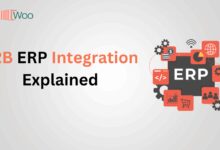
At its heart, enterprise ERP software unifies critical functions such as finance, human resources, supply chain, manufacturing, procurement, and customer relationship management (CRM) into a single, cohesive platform. This integration eliminates data silos, reduces redundancy, and ensures real-time visibility across departments.
- Centralized database for consistent data access
- Real-time reporting and analytics
- Scalability to support global operations
“ERP systems are the central nervous system of modern enterprises,” says Gartner analyst, Mark Lillycrop. “They connect people, processes, and technology across the entire organization.”
Evolution from Traditional ERP to Enterprise-Grade Systems
ERP systems originated in the 1990s with on-premise solutions like SAP R/3 and Oracle Applications. These were rigid, expensive, and required extensive IT infrastructure. Today’s enterprise ERP software has evolved dramatically, embracing cloud computing, artificial intelligence (AI), and mobile accessibility.
- Legacy systems: On-premise, monolithic, high maintenance
- Modern systems: Cloud-native, modular, API-driven
- Hybrid models: Combining cloud flexibility with on-premise security
The shift has been accelerated by digital transformation. According to Gartner, over 70% of new ERP implementations in 2023 were cloud-based, reflecting a clear industry trend toward agility and scalability.
Key Features of Enterprise ERP Software
What sets enterprise ERP software apart from smaller-scale solutions is its depth of functionality, robust integration capabilities, and ability to support complex organizational structures. These features are not just nice-to-have—they are essential for maintaining competitive advantage.
Integrated Financial Management
One of the most critical components of enterprise ERP software is its financial management module. This includes general ledger, accounts payable and receivable, asset management, budgeting, and financial reporting.
- Automated month-end closing processes
- Multi-currency and multi-language support
- Compliance with global standards (e.g., IFRS, GAAP)
For example, Oracle ERP Cloud offers AI-powered forecasting and automated compliance checks, reducing financial close time by up to 50%.
Advanced Supply Chain and Inventory Control
Global supply chains require real-time visibility and predictive analytics. Enterprise ERP software provides tools for demand planning, procurement, logistics, warehouse management, and supplier collaboration.
- Real-time inventory tracking across multiple locations
- Predictive demand forecasting using machine learning
- Supplier performance dashboards
Companies like Unilever use SAP S/4HANA to manage over 400 factories worldwide, achieving a 20% reduction in inventory costs through better demand sensing.
Human Capital Management (HCM) Integration
Modern enterprise ERP software includes robust HCM modules that go beyond payroll and HR records. These systems support talent acquisition, performance management, learning & development, and workforce analytics.
- Global payroll processing with local tax compliance
- Employee self-service portals
- Succession planning and skills gap analysis
Workday, a leader in cloud-based HCM, integrates seamlessly with ERP platforms to provide a unified employee experience from hire to retire.
Top Enterprise ERP Software Providers in 2024
The market for enterprise ERP software is dominated by a few key players, each offering unique strengths depending on industry, deployment preference, and business size. Choosing the right vendor is critical to long-term success.
SAP S/4HANA: The Industry Benchmark
SAP S/4HANA is widely regarded as the gold standard in enterprise ERP software. Built on an in-memory database (HANA), it enables real-time data processing and advanced analytics.
- Real-time financial reporting
- AI-driven insights for supply chain optimization
- Supports both on-premise and cloud deployments
According to SAP, over 30,000 customers use S/4HANA globally, including giants like Coca-Cola and BMW. Learn more at SAP’s official site.
Oracle ERP Cloud: Power and Flexibility
Oracle ERP Cloud is a fully integrated, cloud-native solution that emphasizes automation, security, and scalability. It’s particularly strong in financials and project management.
- Automated financial close and compliance
- Embedded AI for fraud detection and forecasting
- Highly customizable for complex business models
Oracle’s autonomous database technology reduces manual intervention, making it ideal for enterprises seeking operational efficiency.
Microsoft Dynamics 365: Seamless Microsoft Ecosystem Integration
Microsoft Dynamics 365 stands out for its deep integration with Microsoft 365, Power BI, and Azure. This makes it a natural choice for organizations already invested in the Microsoft ecosystem.
- Tight integration with Outlook, Teams, and Excel
- Power BI for real-time dashboards and reporting
- AI-powered sales and service insights
Dynamics 365 is especially popular in manufacturing, retail, and professional services. More details at Microsoft Dynamics 365.
Benefits of Implementing Enterprise ERP Software
Deploying enterprise ERP software is a significant investment, but the returns can be transformative. From operational efficiency to strategic decision-making, the benefits are wide-ranging and long-lasting.
Improved Operational Efficiency
By automating repetitive tasks and standardizing processes, enterprise ERP software reduces manual errors and frees up employee time for higher-value work.
- Automated invoice processing reduces AP cycle time
- Streamlined procurement workflows cut approval delays
- Centralized data reduces duplicate data entry
A study by Nucleus Research found that companies achieve an average ROI of $4.30 for every dollar spent on ERP systems, primarily through efficiency gains.
Enhanced Data Visibility and Reporting
One of the most powerful advantages of enterprise ERP software is the ability to access real-time, accurate data across all departments.
- Executive dashboards with KPIs and performance metrics
- Drill-down capabilities for root cause analysis
- Customizable reports for regulatory and stakeholder needs
This transparency enables faster, data-driven decisions. For instance, a global retailer using ERP analytics reduced stockouts by 30% by identifying regional demand patterns.
Scalability for Global Growth
Enterprise ERP software is designed to scale with your business—whether you’re expanding into new markets, acquiring companies, or increasing production volume.
- Support for multiple subsidiaries and legal entities
- Multi-currency, multi-language, and local compliance features
- Modular architecture allows incremental expansion
This scalability ensures that your IT infrastructure grows in lockstep with your business strategy, avoiding costly re-platforming down the line.
Challenges in Enterprise ERP Software Implementation
Despite its many benefits, implementing enterprise ERP software is not without challenges. Organizations often underestimate the complexity, leading to delays, budget overruns, and user resistance.
High Initial Costs and Total Cost of Ownership (TCO)
Enterprise ERP software requires significant investment in licensing, infrastructure, customization, training, and ongoing support.
- Upfront licensing fees can exceed millions for large deployments
- Customization and integration with legacy systems add costs
- Ongoing maintenance and upgrades contribute to TCO
According to Panorama Consulting, the average ERP project for a large enterprise costs between $10 million and $50 million, with implementation taking 12–24 months.
Data Migration and Integration Complexities
Moving data from legacy systems to a new ERP platform is one of the most technically challenging aspects of implementation.
- Data quality issues (duplicates, inconsistencies, missing fields)
- Different data formats and structures across systems
- Need for ETL (Extract, Transform, Load) tools and data cleansing
Poor data migration can lead to system downtime, reporting errors, and loss of trust in the new system. A phased migration approach is often recommended.
User Adoption and Change Management
Even the most advanced ERP system will fail if employees resist using it. Change management is critical to ensure smooth adoption.
- Employees may fear job loss or increased workload
- Lack of training leads to frustration and errors
- Resistance from department heads protective of their data
Successful implementations prioritize communication, training, and involving end-users early in the design process. Companies that invest in change management see 50% higher user adoption rates.
Cloud vs. On-Premise: Deployment Models for Enterprise ERP Software
One of the most strategic decisions in ERP implementation is choosing between cloud and on-premise deployment. Each model has distinct advantages and trade-offs.
Cloud-Based ERP: Agility and Lower Upfront Costs
Cloud-based enterprise ERP software is hosted on the vendor’s servers and accessed via the internet. This model has gained massive popularity due to its flexibility and speed of deployment.
- Faster implementation (weeks vs. months)
- Lower upfront capital expenditure
- Automatic updates and security patches
However, long-term subscription costs can add up, and some organizations have concerns about data sovereignty and internet dependency.
On-Premise ERP: Control and Customization
On-premise ERP systems are installed and run on the company’s own servers. This gives organizations full control over data, security, and customization.
- Greater control over data privacy and compliance
- Deep customization to match unique business processes
- No reliance on third-party uptime or bandwidth
The downside? High initial costs, longer implementation times, and the need for dedicated IT staff to manage updates and maintenance.
Hybrid ERP: The Best of Both Worlds?
Some enterprises opt for a hybrid model, running certain modules (e.g., finance) on-premise while using cloud solutions for others (e.g., HR or CRM).
- Allows gradual transition to the cloud
- Maintains control over sensitive data
- Integrates legacy systems with modern cloud apps
However, hybrid models require robust integration middleware and can increase complexity in system management.
Future Trends in Enterprise ERP Software
The future of enterprise ERP software is being shaped by emerging technologies and evolving business needs. Organizations that stay ahead of these trends will gain a significant competitive edge.
AI and Machine Learning Integration
Artificial intelligence is no longer a futuristic concept—it’s embedded in modern ERP systems. AI enables predictive analytics, intelligent automation, and cognitive search.
- Predictive maintenance in manufacturing
- AI-powered chatbots for employee support
- Anomaly detection in financial transactions
SAP’s AI suite, for example, can forecast cash flow with 95% accuracy by analyzing historical data and market trends.
Blockchain for Enhanced Security and Transparency
Blockchain technology is being explored to enhance the security and traceability of transactions within enterprise ERP software.
- Immutable audit trails for financial records
- Secure supply chain tracking from origin to delivery
- Smart contracts for automated procurement
Walmart uses blockchain via IBM’s Food Trust network to track food products, reducing traceability time from days to seconds.
IoT and Real-Time Operational Intelligence
The Internet of Things (IoT) is enabling ERP systems to collect real-time data from machines, vehicles, and sensors.
- Real-time monitoring of production equipment
- Automated inventory updates from smart shelves
- Predictive analytics based on machine performance
Siemens uses IoT-integrated ERP to monitor turbine performance, reducing downtime by 25% through proactive maintenance.
How to Choose the Right Enterprise ERP Software
Selecting the right enterprise ERP software is a strategic decision that requires careful evaluation of business needs, vendor capabilities, and long-term goals.
Assess Your Business Requirements
Start by mapping out your core business processes, pain points, and future growth plans.
- Identify must-have features vs. nice-to-have
- Define key performance indicators (KPIs) for success
- Involve stakeholders from finance, operations, IT, and HR
A requirements document will serve as your evaluation framework.
Evaluate Vendor Capabilities and Support
Not all ERP vendors are created equal. Look beyond features to assess implementation expertise, customer support, and industry experience.
- Check customer reviews on platforms like Gartner Peer Insights
- Request case studies from similar-sized companies
- Assess the vendor’s roadmap for innovation
Also, consider the partner ecosystem—implementation partners play a crucial role in project success.
Plan for Implementation and Change Management
A successful ERP rollout requires more than just software. It demands a structured project plan, executive sponsorship, and a focus on people.
- Establish a cross-functional project team
- Develop a phased implementation strategy
- Invest in training and communication programs
According to McKinsey, 70% of digital transformations fail due to poor change management—don’t let your ERP project be one of them.
What is enterprise ERP software?
Enterprise ERP software is an integrated suite of applications that manages core business processes—like finance, HR, supply chain, and manufacturing—for large organizations. It centralizes data, automates workflows, and provides real-time insights to improve decision-making.
What are the main benefits of enterprise ERP software?
Key benefits include improved operational efficiency, real-time data visibility, scalability for growth, better compliance, and enhanced decision-making through advanced analytics and reporting.
How much does enterprise ERP software cost?
Costs vary widely based on vendor, deployment model, and customization. Cloud subscriptions can range from $5,000 to $20,000+ per month, while on-premise solutions may cost $10–50 million for large enterprises, including implementation.
Is cloud ERP better than on-premise?
It depends on your needs. Cloud ERP offers faster deployment and lower upfront costs, while on-premise provides greater control and customization. Many enterprises choose hybrid models for flexibility.
How long does it take to implement enterprise ERP software?
Implementation typically takes 12 to 24 months for large organizations. Cloud-based systems can be deployed faster (6–12 months), while complex on-premise or hybrid setups may take longer due to customization and data migration.
Enterprise ERP software is more than just a tool—it’s a strategic enabler of growth, efficiency, and innovation. From SAP and Oracle to Microsoft Dynamics, the right system can unify your operations, empower your teams, and future-proof your business. While challenges like cost, data migration, and user adoption exist, a well-planned implementation guided by clear requirements and strong change management can deliver transformative results. As AI, blockchain, and IoT reshape the ERP landscape, staying informed and agile will be key to maintaining a competitive edge. The journey to digital transformation starts with the right enterprise ERP software.
Further Reading: